
What we are doing in central Africa
Reforestation and protection of the existing rainforest
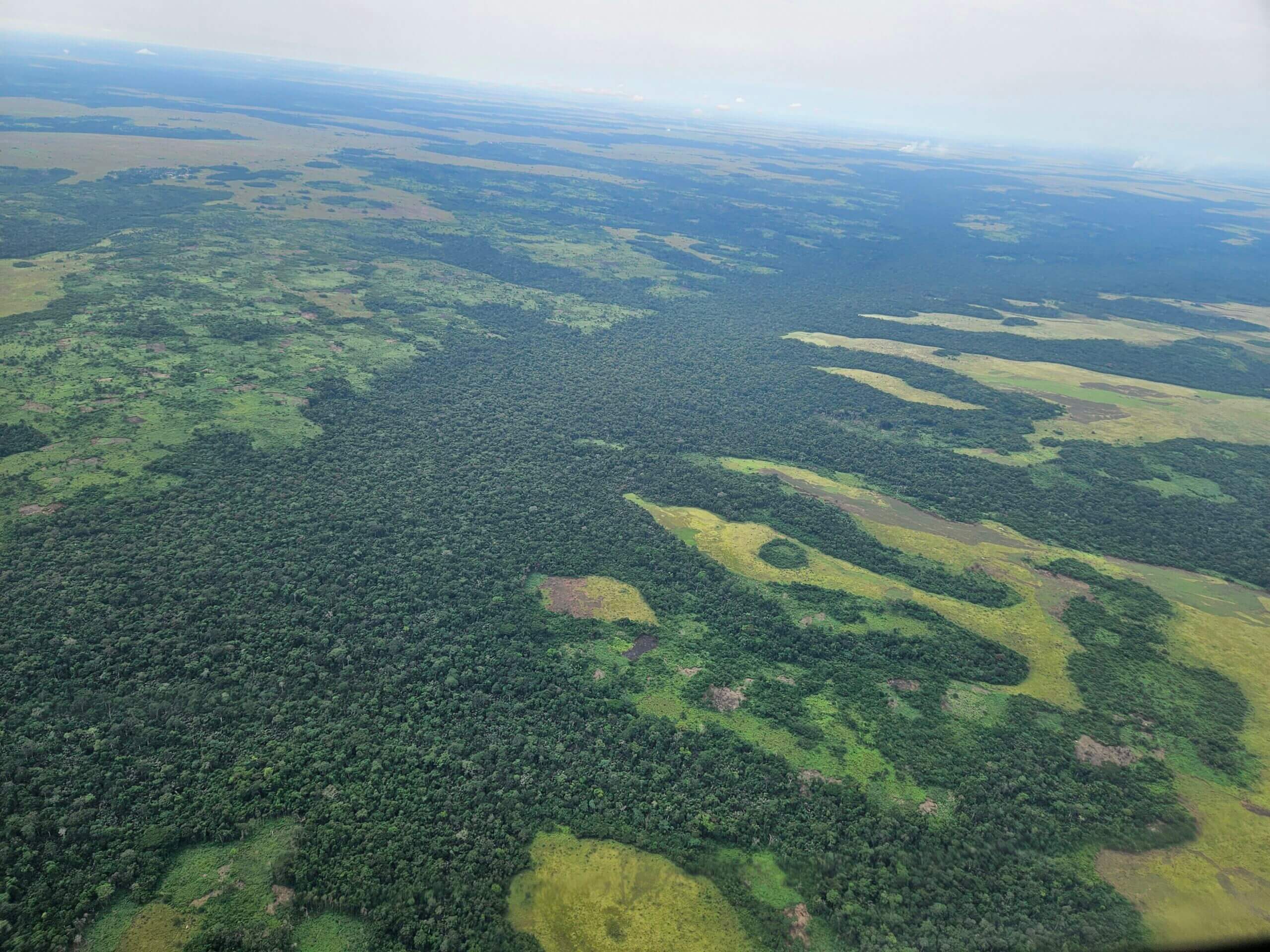
We have started our operations in the Mai Ndombe province in the Democratic Republic of the Congo
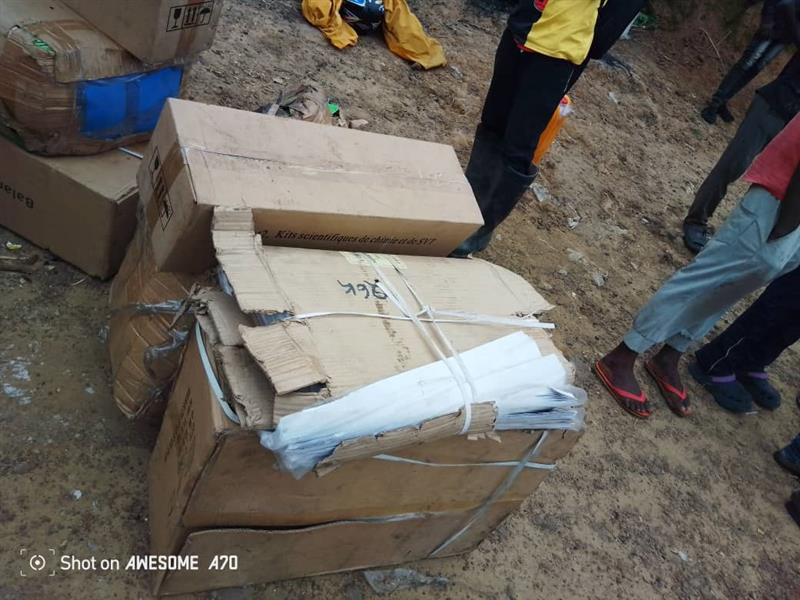
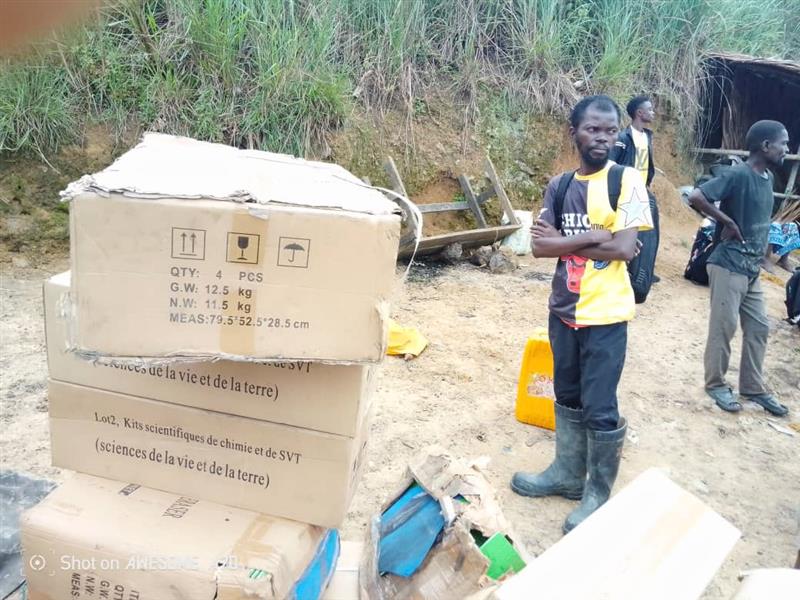
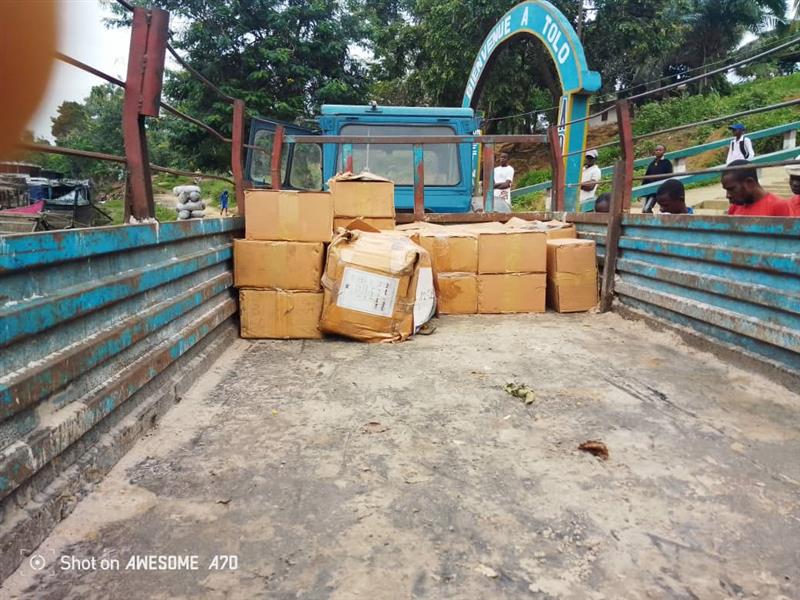
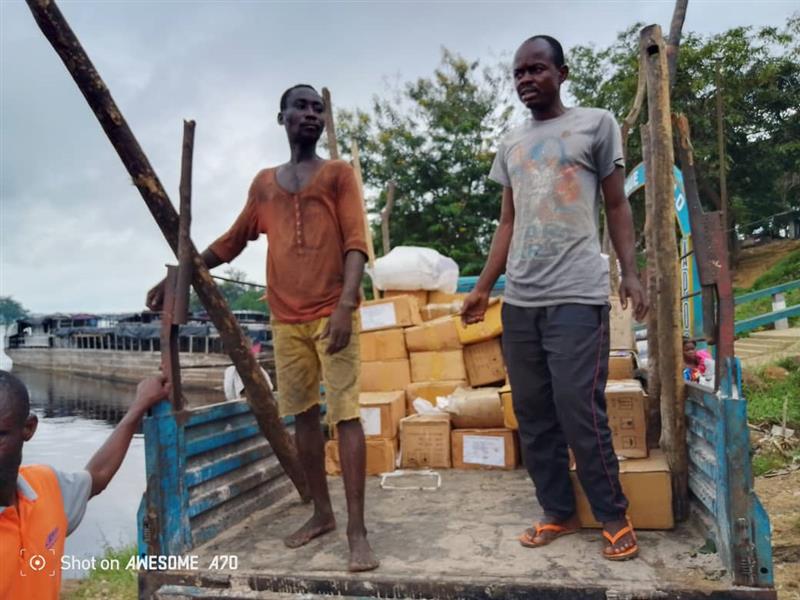
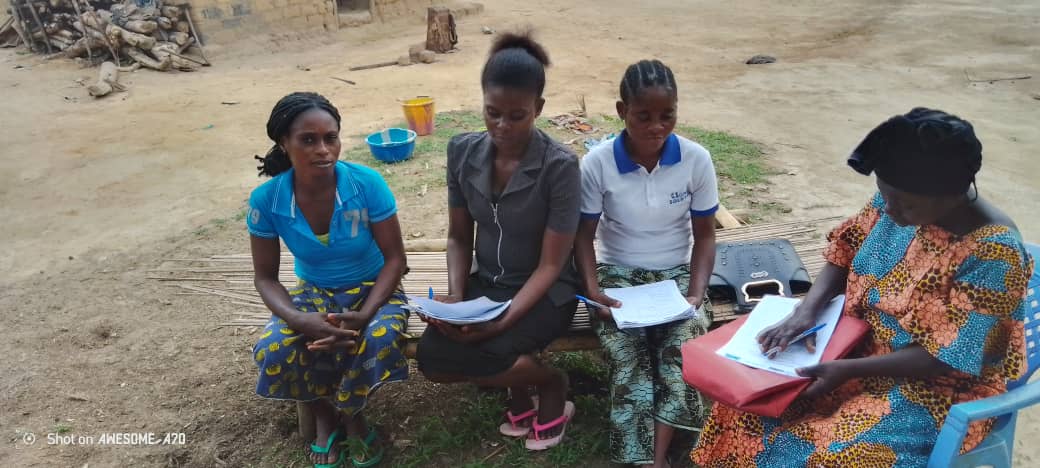
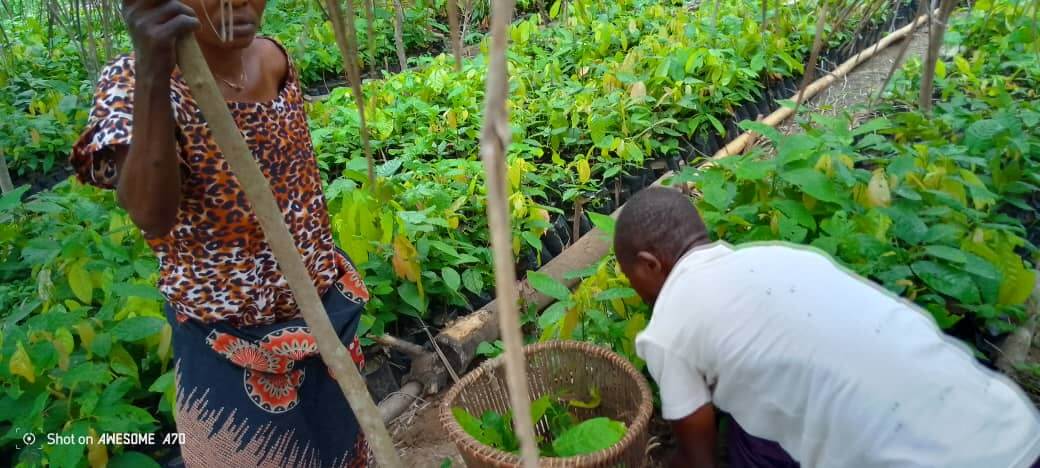
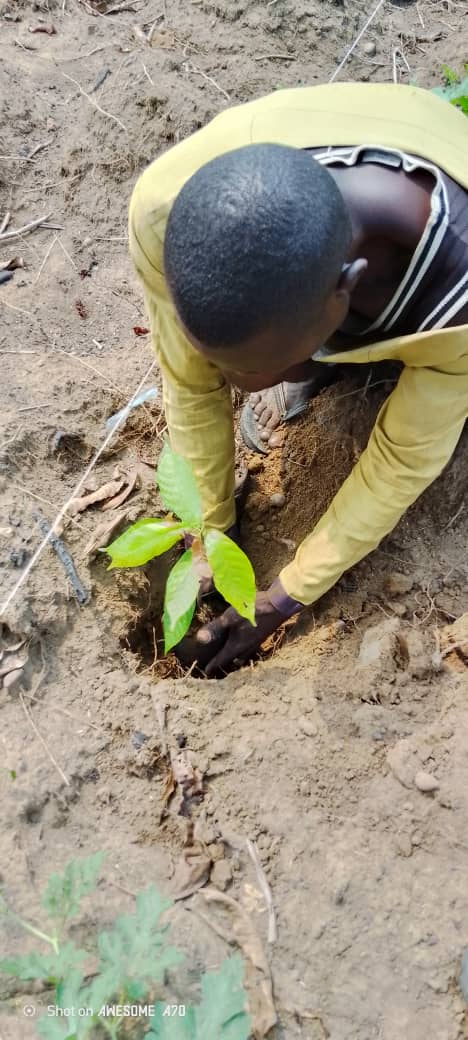
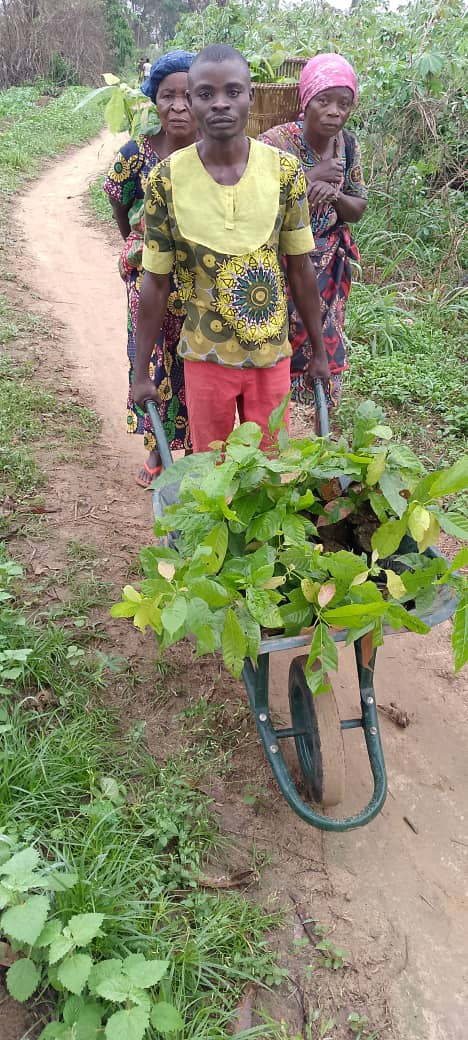
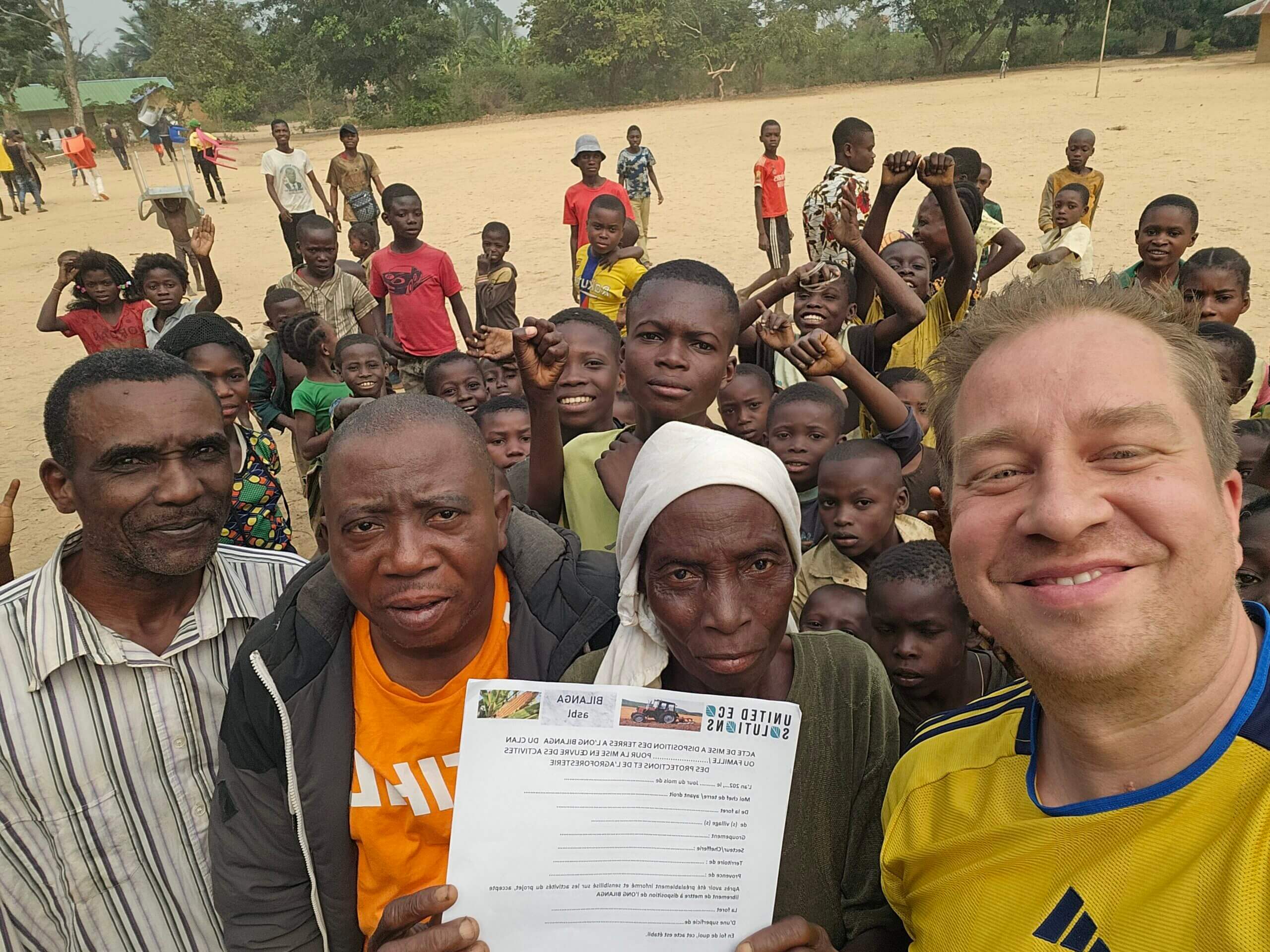
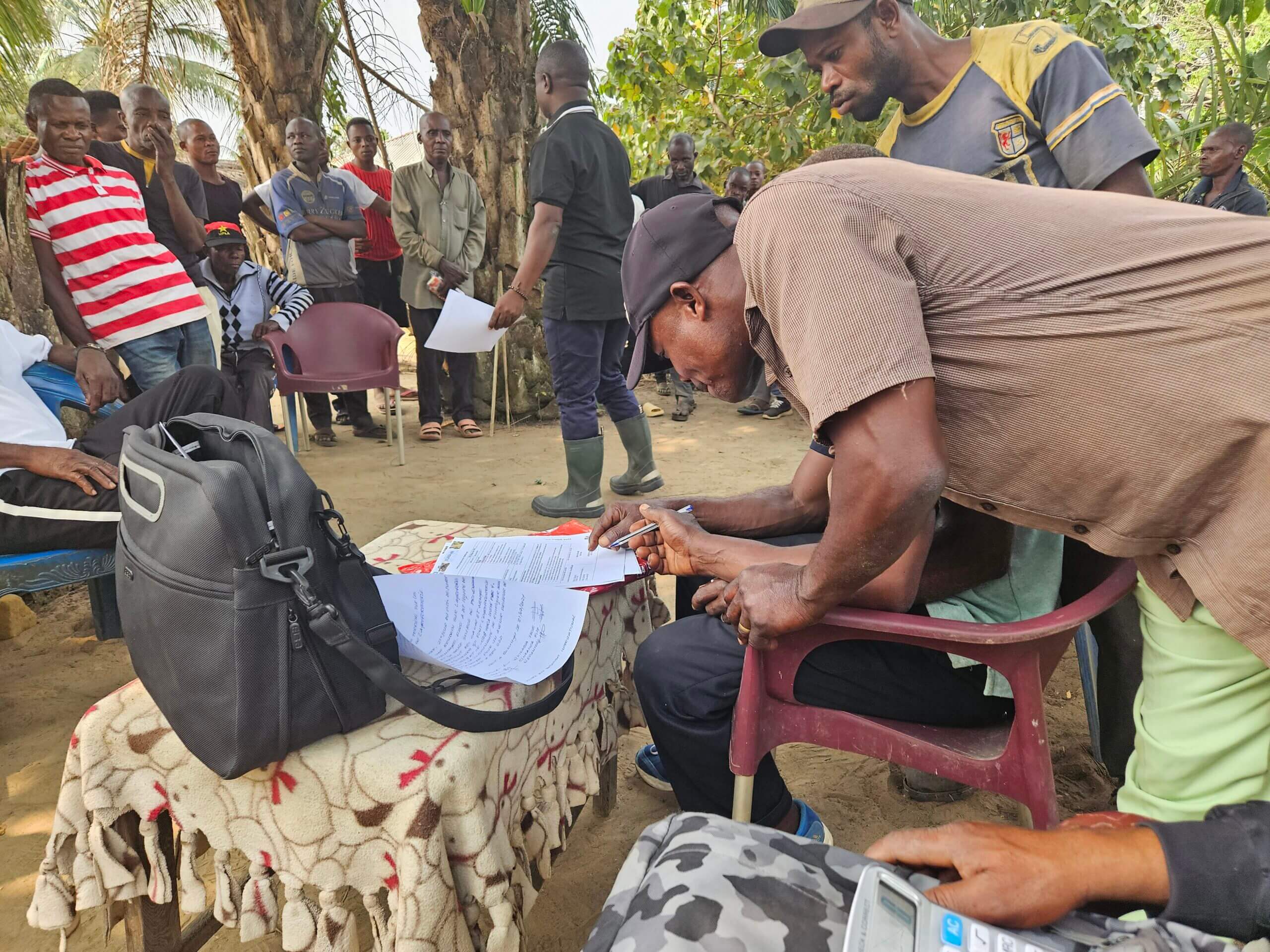
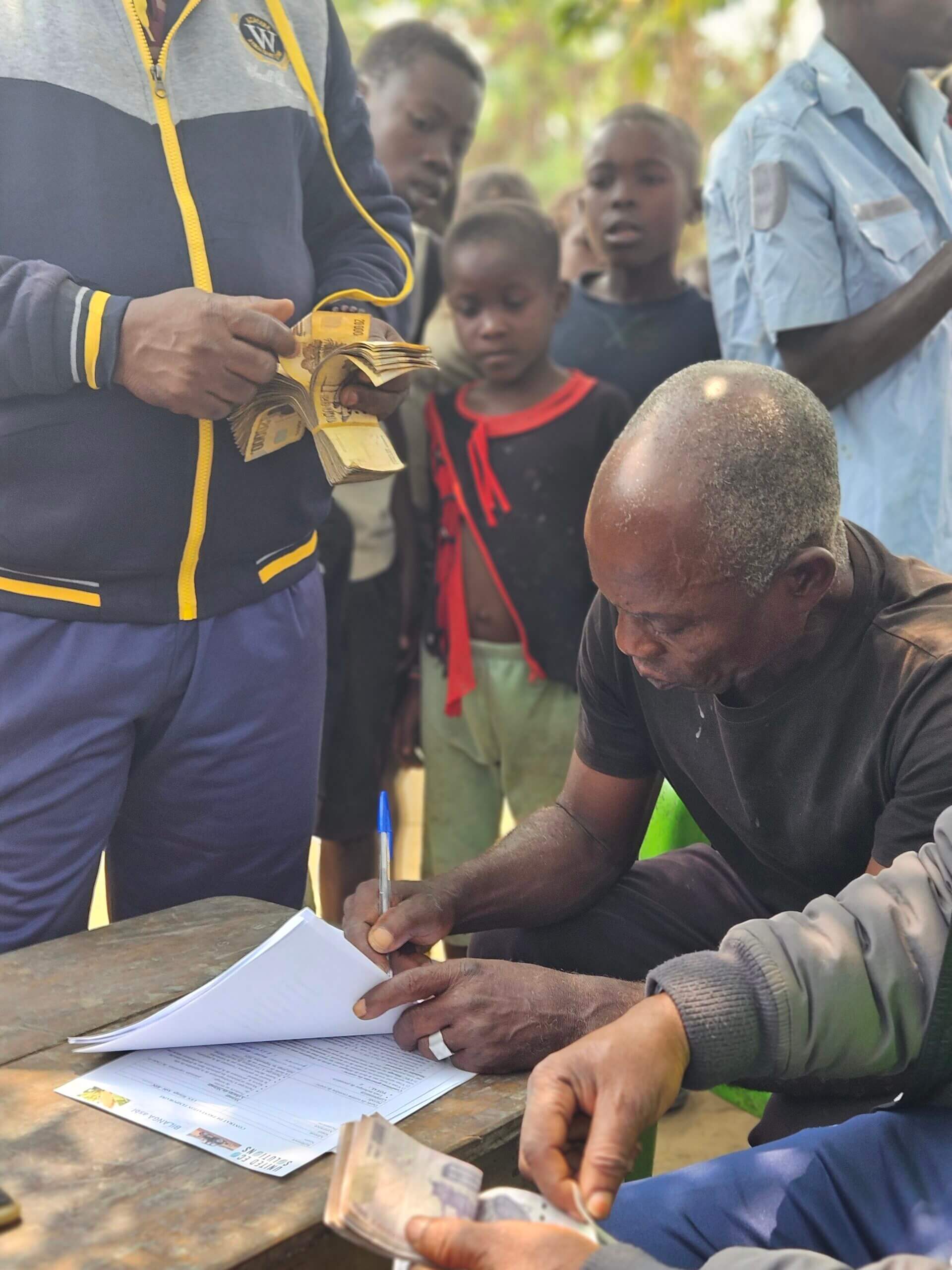
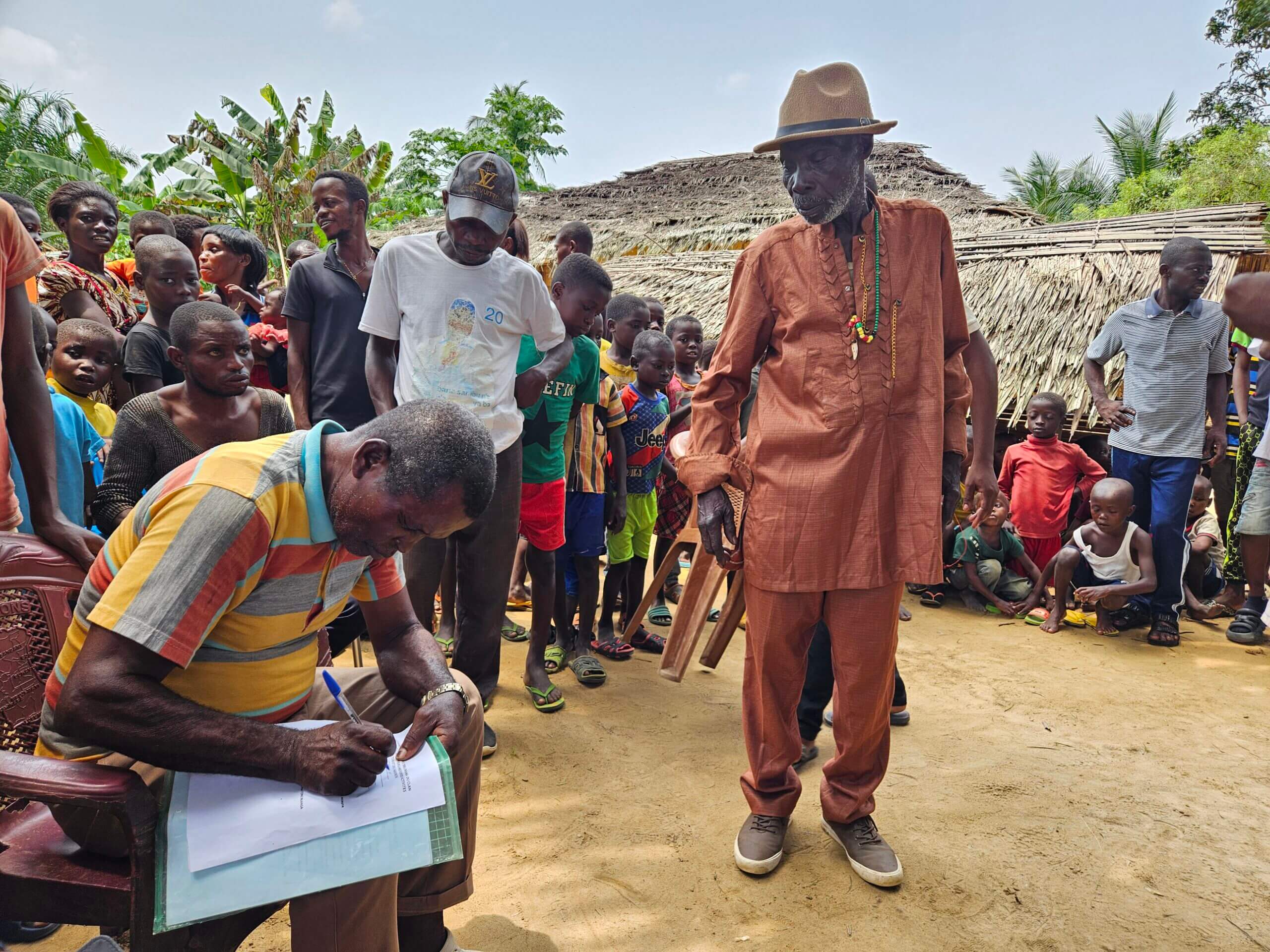
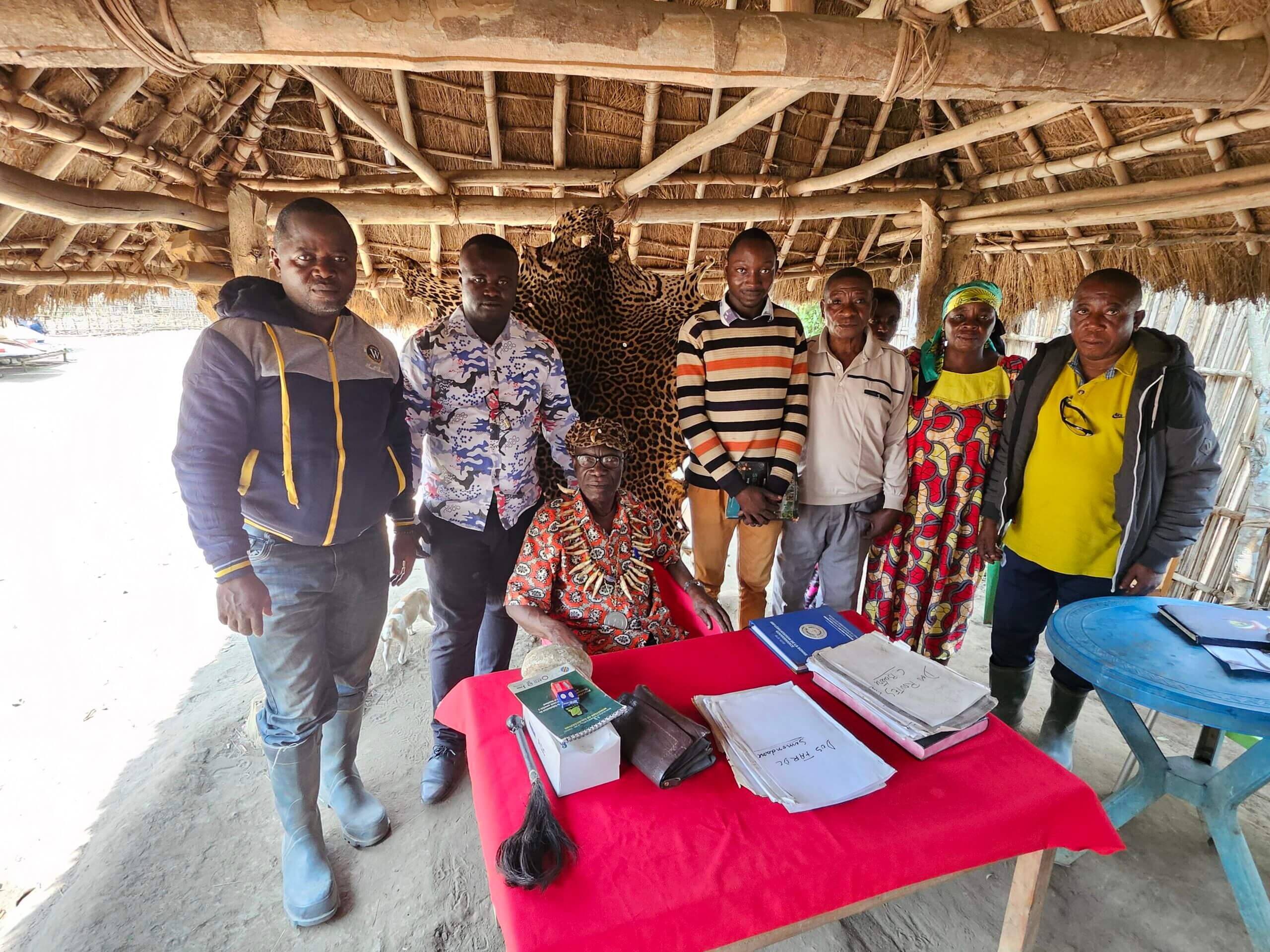
Five villages (Duma 1, Duma 2, Bomanga, Boliano, and Bokungu) in the Mai Ndombe Province, have after careful consideration and thorough studies been chosen as startup sites for our activities. The activities are already underway after the agreement between the five villages and United Eco Solutions and its local partner in the DR Congo in February 2024.
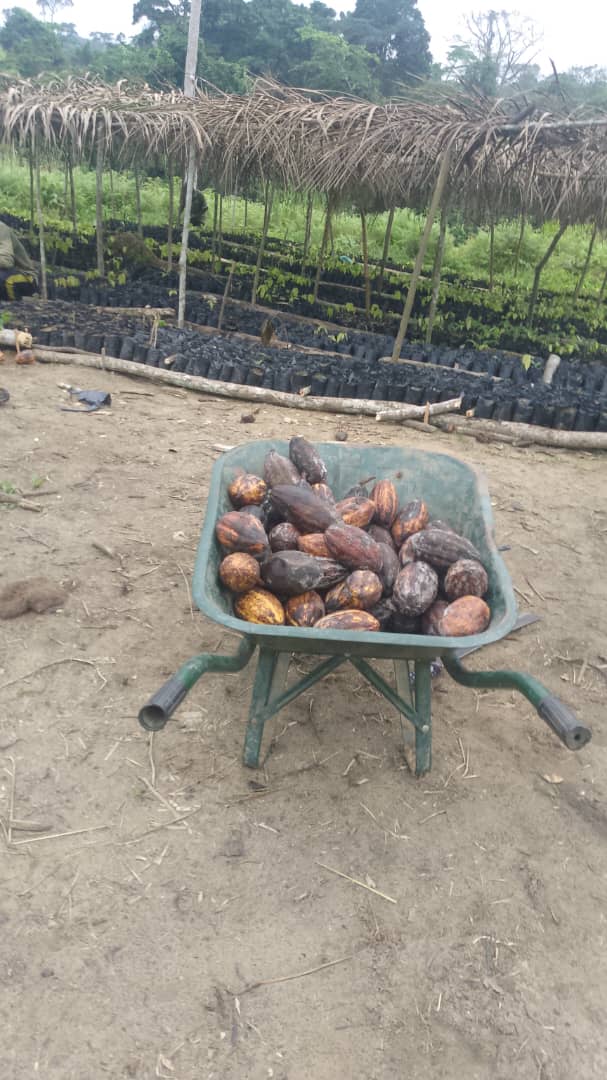
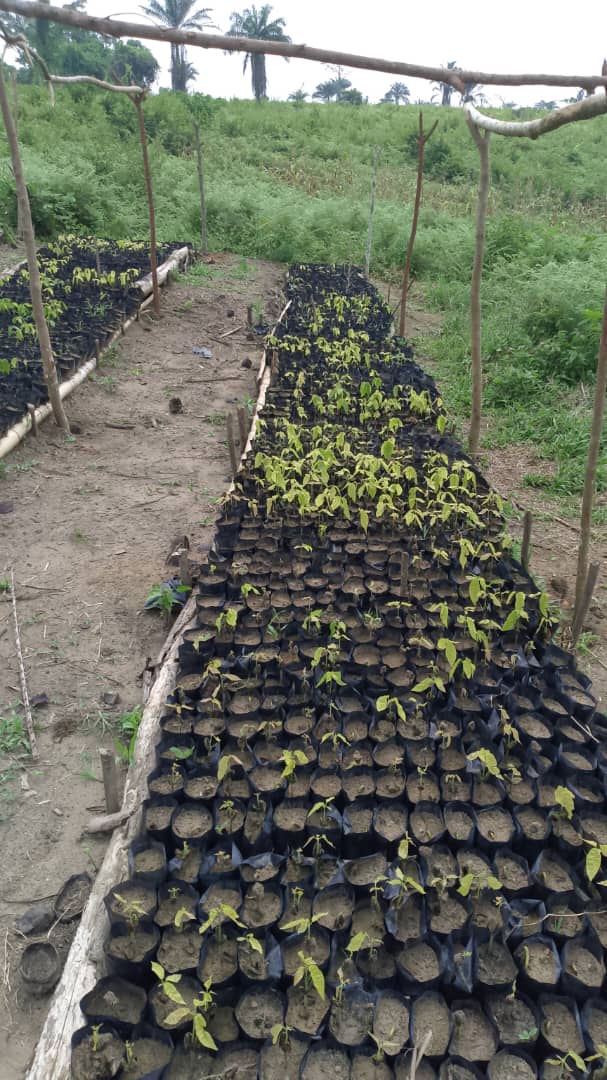
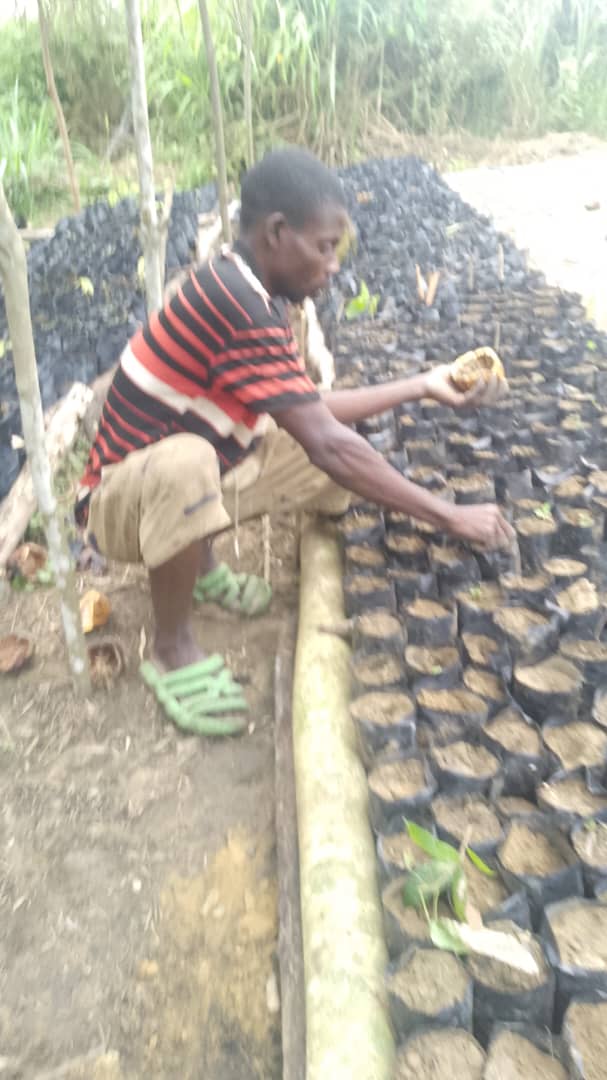
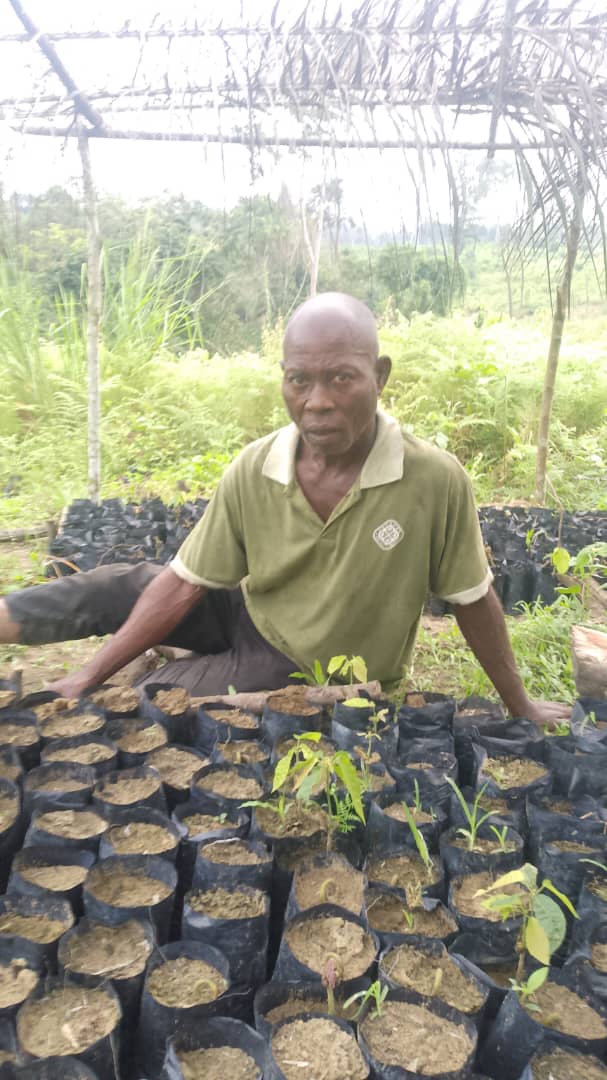
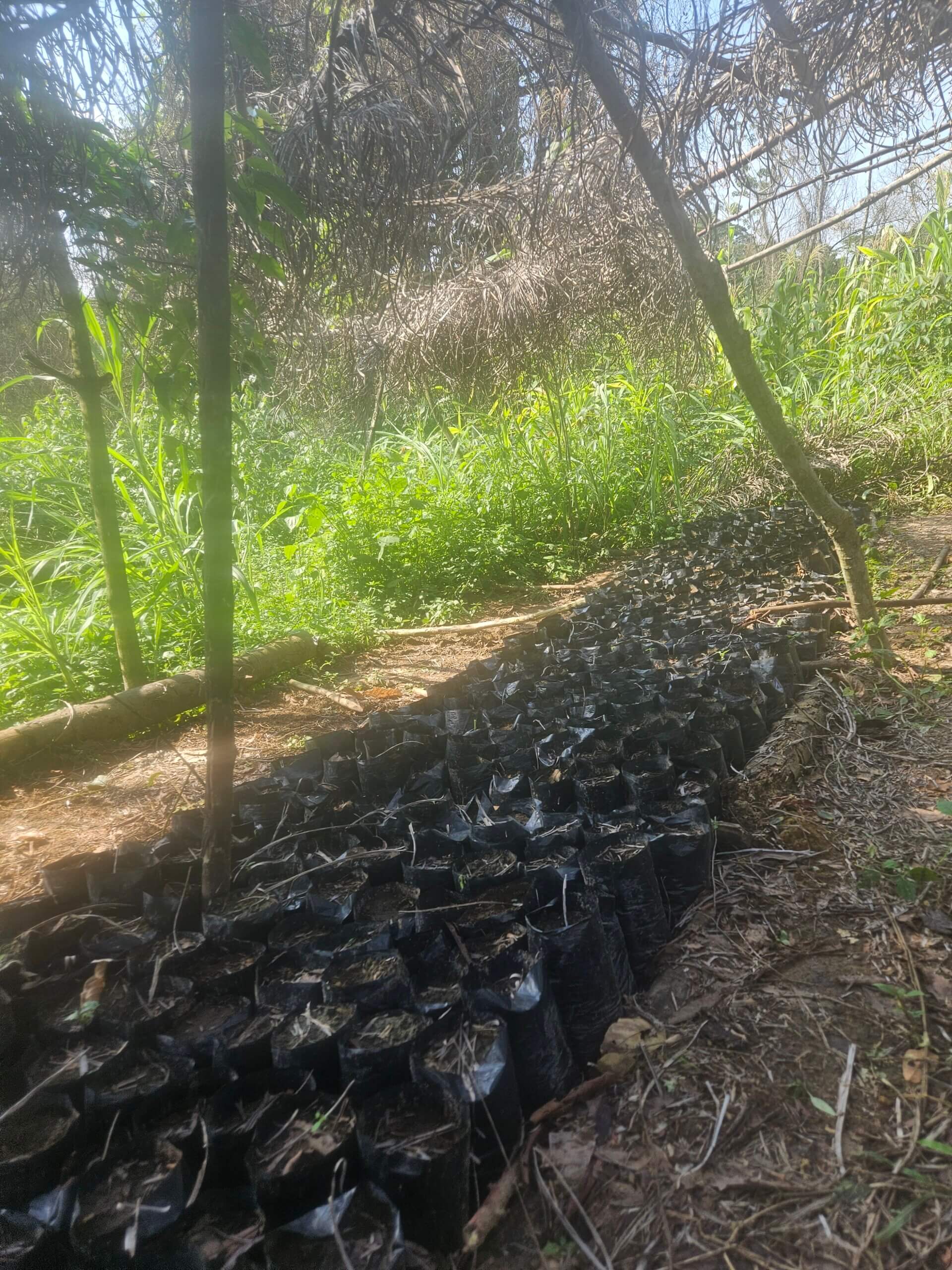
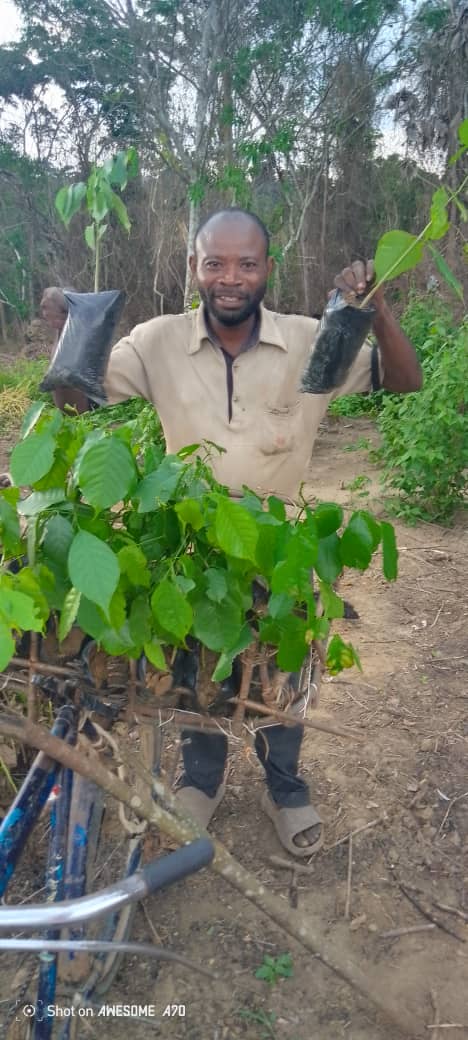
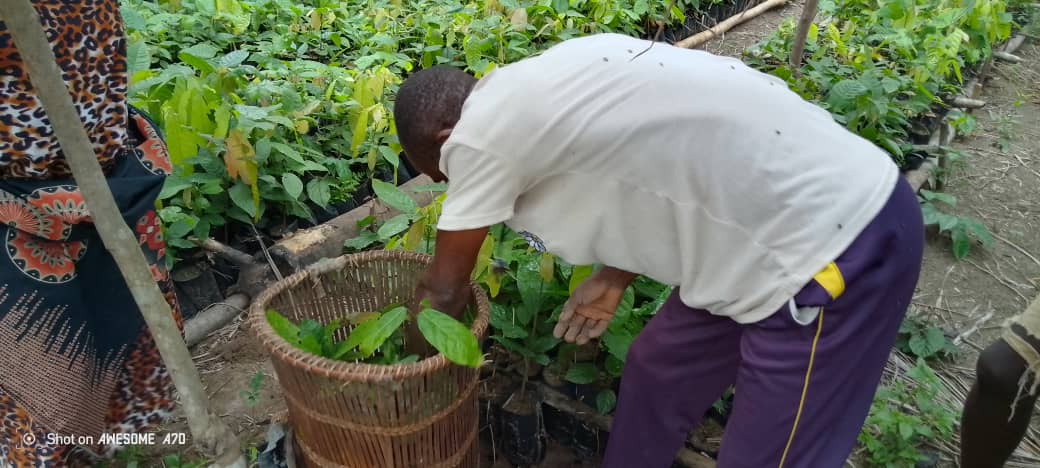
We have chosen large trees that grow naturally in the existing rainforest, all with great sequestration capabilities and fast growth rates. We are starting with 500 wenge trees accompanied by 1100 cacao trees on each hectare per year.
We are currently in the process of being certified by Gold Standard, which is estimated to be completed by mid 2025. The activities for our application include reforestation through agroforestry in the five villages, and it is only the newly planted trees that are included in the calculations. Of course our activities also cover the protection of the existing rainforest which creates great benefits, but that is “only” considered as a very special feature.
The studies performed on the ground showed…
… a considerable deforestation in the area due to mostly two reasons; the production of charcoal and unsustainable agriculture methods. The application of poorly executed monoculture agriculture, making the ground unfertile after a few years, urges the farmers to search for other fertile land. The misconception that fertile land is only found in the rainforest has led to extensive reduction of the rainforest over the years, thus creating immense areas of fallow, unused land and a continuing reduction of the rainforest in the search for more fertile land.
Over the past 20 years, more than 3,000 hectares of rainforest have been deforested near the five villages where we operate. We plan to reforest 2,000 hectares using agroforestry mrethods over the next 40 years.
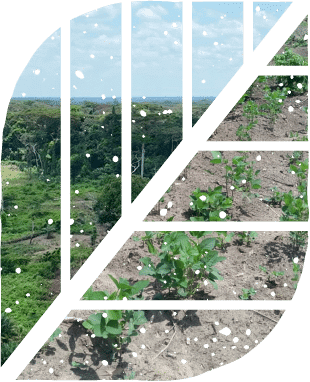
Something must be done to stop the deforestation of the rainforest
The main reasons for deforestation in the Congo Basin are use of thte wood as an energy source and the fertile soil for agriculture. A large share of the population get their income from current harmful practices, so simply protecting the rainforest is not enough. What would the people then live off?
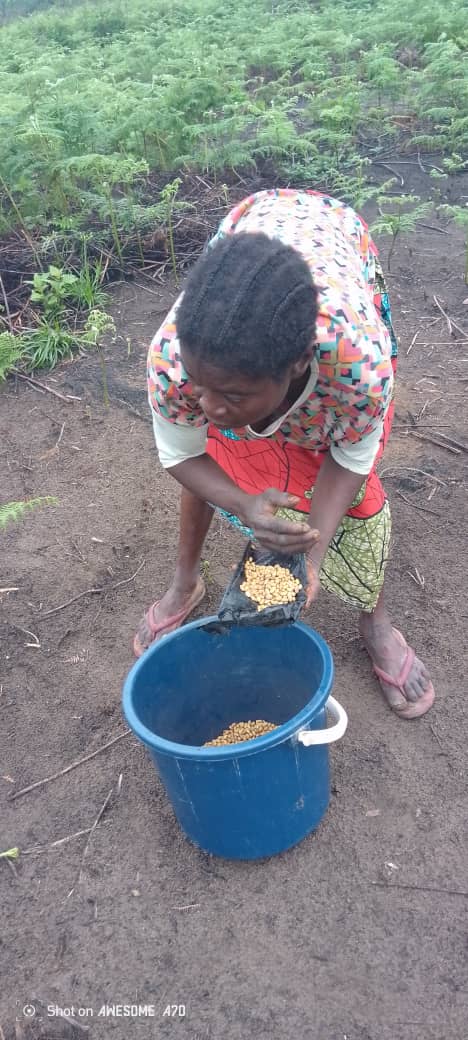
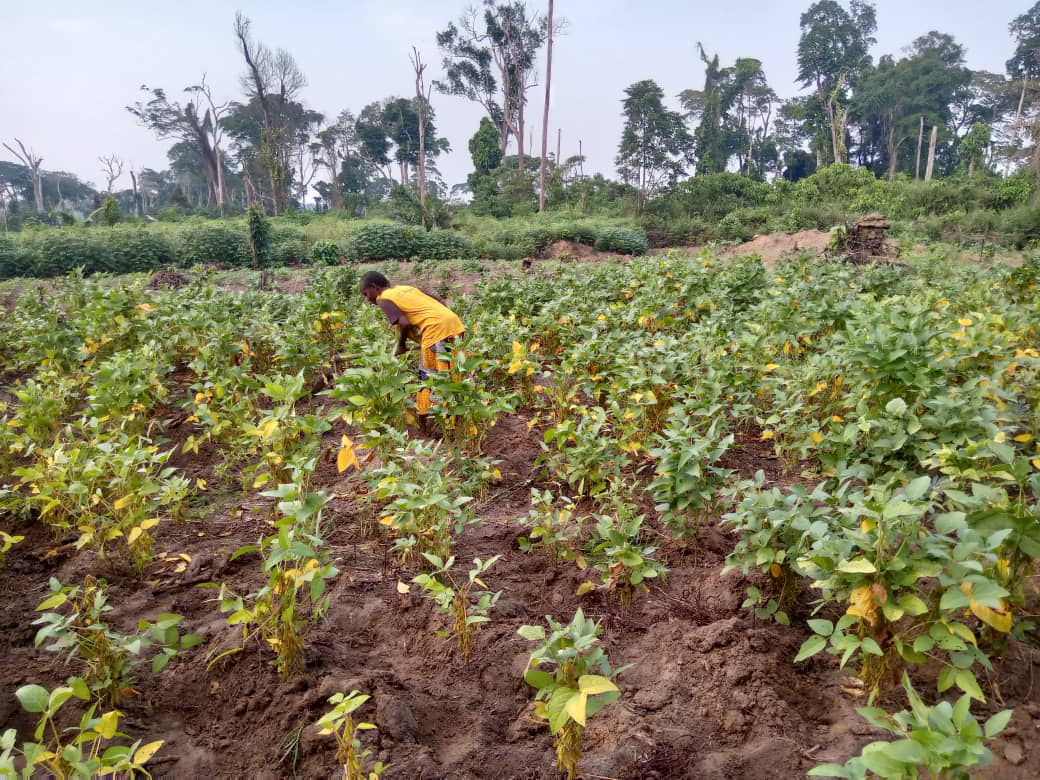
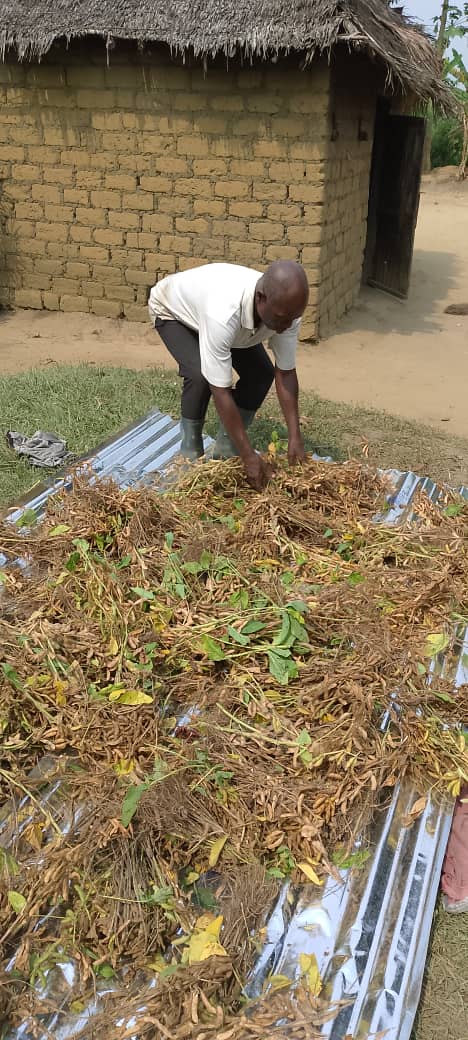
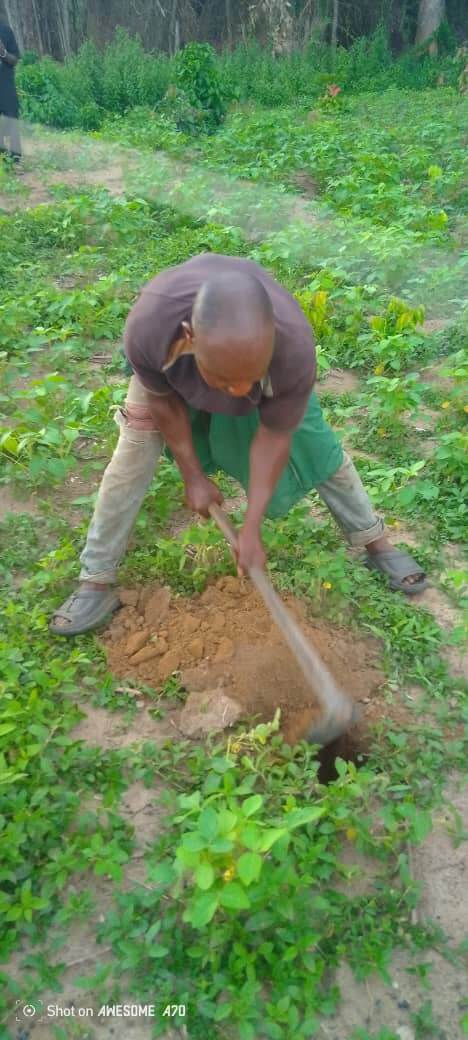
This is one of the reasons why we work together with the local communities to offer them employment and income from taking care of the rainforest trees while growing a diverse set of crops. They can use the harvests both for their own household and sell on the market. As a result, we create a more sustainable living situation, while also protecting the rainforest and increasing carbon sequestration.
We introduce agroforestry into the villages
We have chosen to carry out “agroforestry” on areas left fallow adjacent to the existing virgin forest, thus creating a natural protection area to counteract the felling of the existing virgin rainforest. We have chosen large, natural trees that grow in the existing rainforest with high retention capacity that are also resilient and grow quite fast. We start with 500 Wenge trees and 1100 cacao trees on each hectare.
Cacao trees and their importance to our activities
The cacao trees, which need the shade of the large wenge trees to flourish, will also provide a natural protection for the wenge trees as the population will not cut down the planted wenge trees in the future and thus damage their future income from cacao trees if they lose their necessary shade protection. We will also help the population to plant other plants between the trees that grow quickly, so that they can get proper nutrition and income in just a few months. Our local coordinator and experienced agronomist will accompany the population every step of the way.
The global Sustainable Development Goals
Our activities contribute to many aspects of sustainable ecological, social, and economic development. Therefore, we directly address 14 of the 17 Sustainable Development Goals (SDGs). Read more below:
First year goal: 2.15% reduction in poverty gap ratio for income in relation to the global poverty line
The population of the villages we work in will benefit from the activities as they will provide increased income in the short, medium, and long term.
First year goal: Approximately 50% rise over the minimum dietary energy requirement (MDER)
The greatly increased and diversified production of agricultural products will both help greatly reduce hunger, and help the population eat a more diverse diet that will tackle malnutrition.
First year goal: 2.76% decrease in under-5 mortality rate and 1% decrease in maternal mortality ratio
The diversified production of agriculture will contribute to more nutritious food, and the increased incomes help the population to afford a better, healthier diet and improve levels of physical and mental health.
First year goal: 0.149% increased completion rate in secondary school and 97.5% cumulative increase of students in agroforestry education
The significantly increased incomes for the local population will enhance families’ ability to afford their children’s education, including school fees, clothing, study materials, and other necessities. Additionally, we maintain a close collaboration with the agronomy program in Duma 2 to elevate the quality of their education, incorporating both practical and theoretical elements into our partnership.
First year goal: 25% increase in women whose burden in the household has become lighter
The women in the DRC have traditionally had a very central role in agriculture. By building on these experiences and involving women in decision-making, the activities will contribute to equality between men and women.

First year goal: 30% increase of population with easy access to clean water
We assist the population in protecting and enhancing their existing water sources while also providing new sources and technologies to make water more accessible.
First year goal: 0.59% increased proportion of population with access to electricity
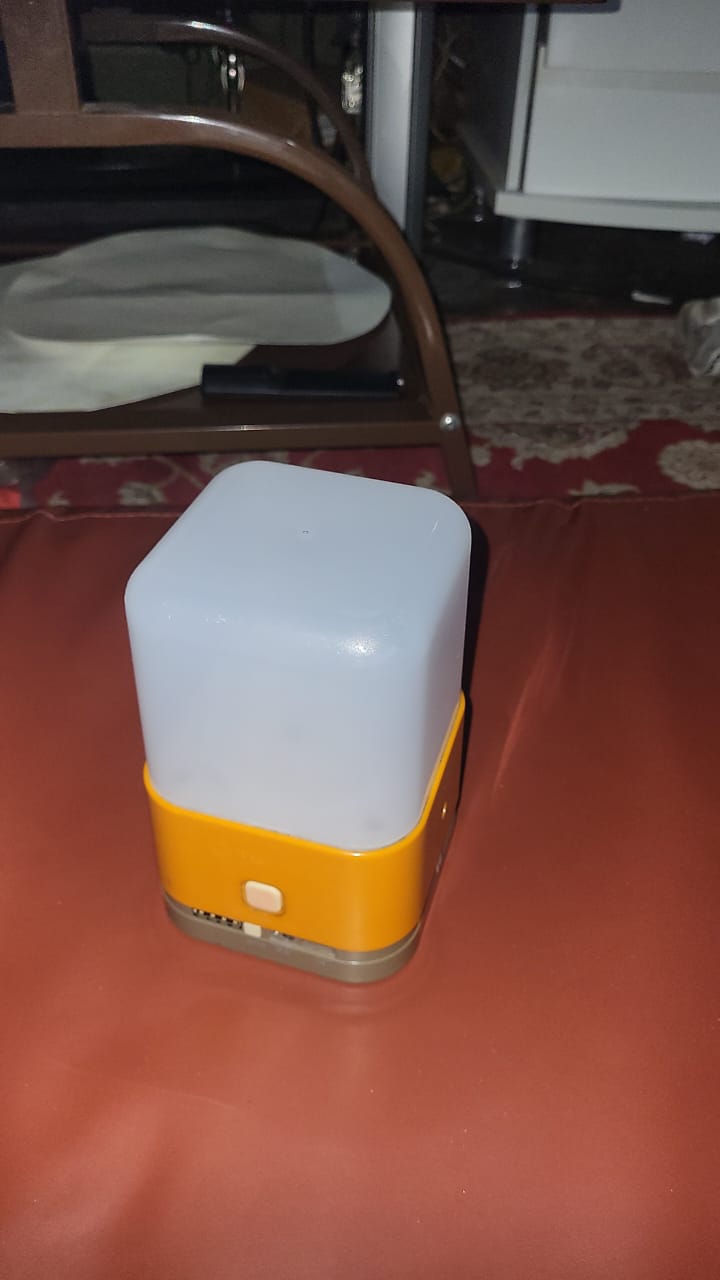
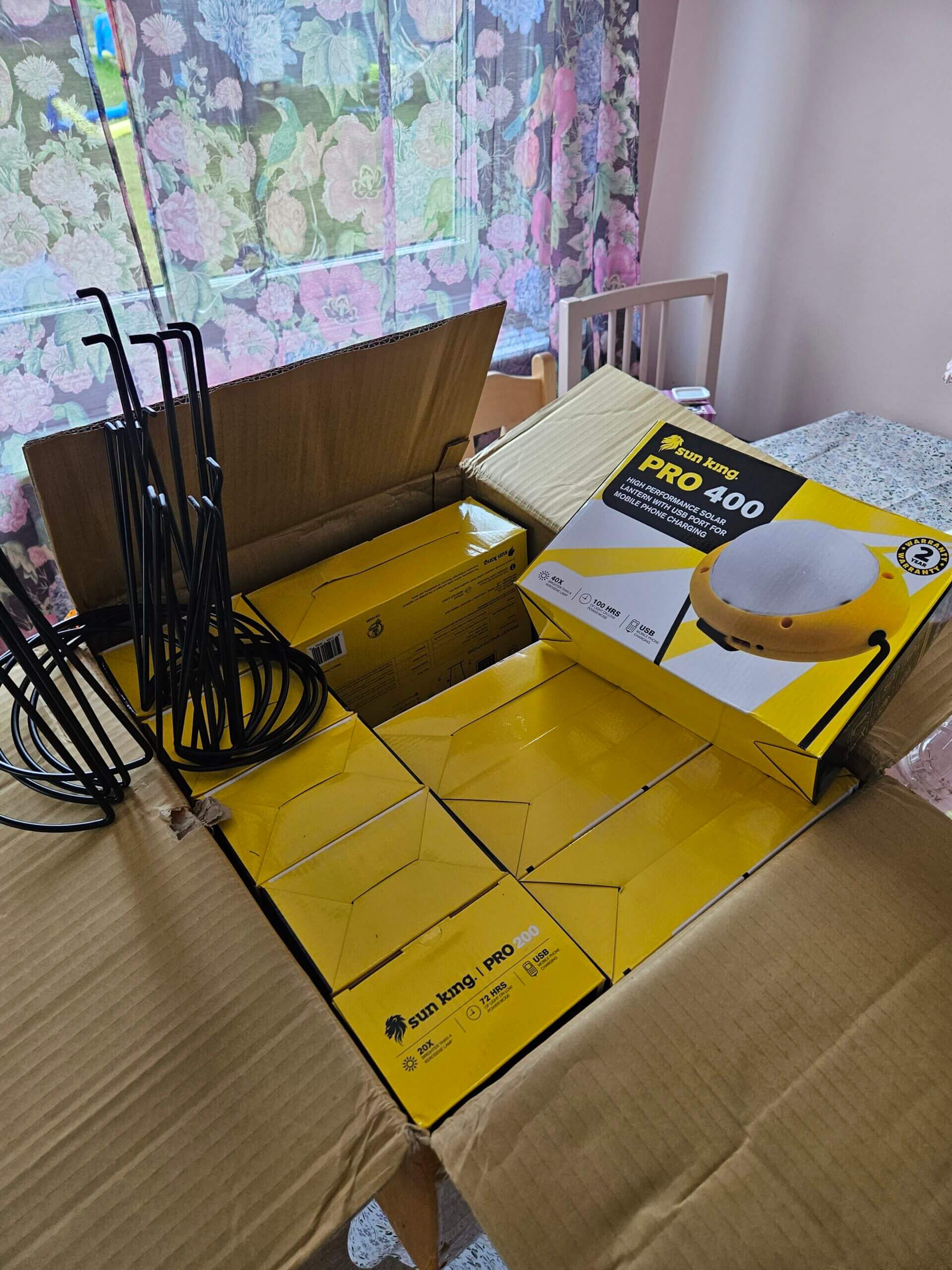
By providing solar energy instead of traditional sources like wood, coal, or kerosene, the activities contribute to more affordable and cleaner energy for the local communities.
First year goal: 37.35 USD increase in real GDP per capita
The increased incomes for the population will lift the economy for the entire society and thus create economic growth for the societies as a whole.
First year goal: 80% increase in population with close access to vehicles and 11.75% increased freight volume in vehicles on the main road
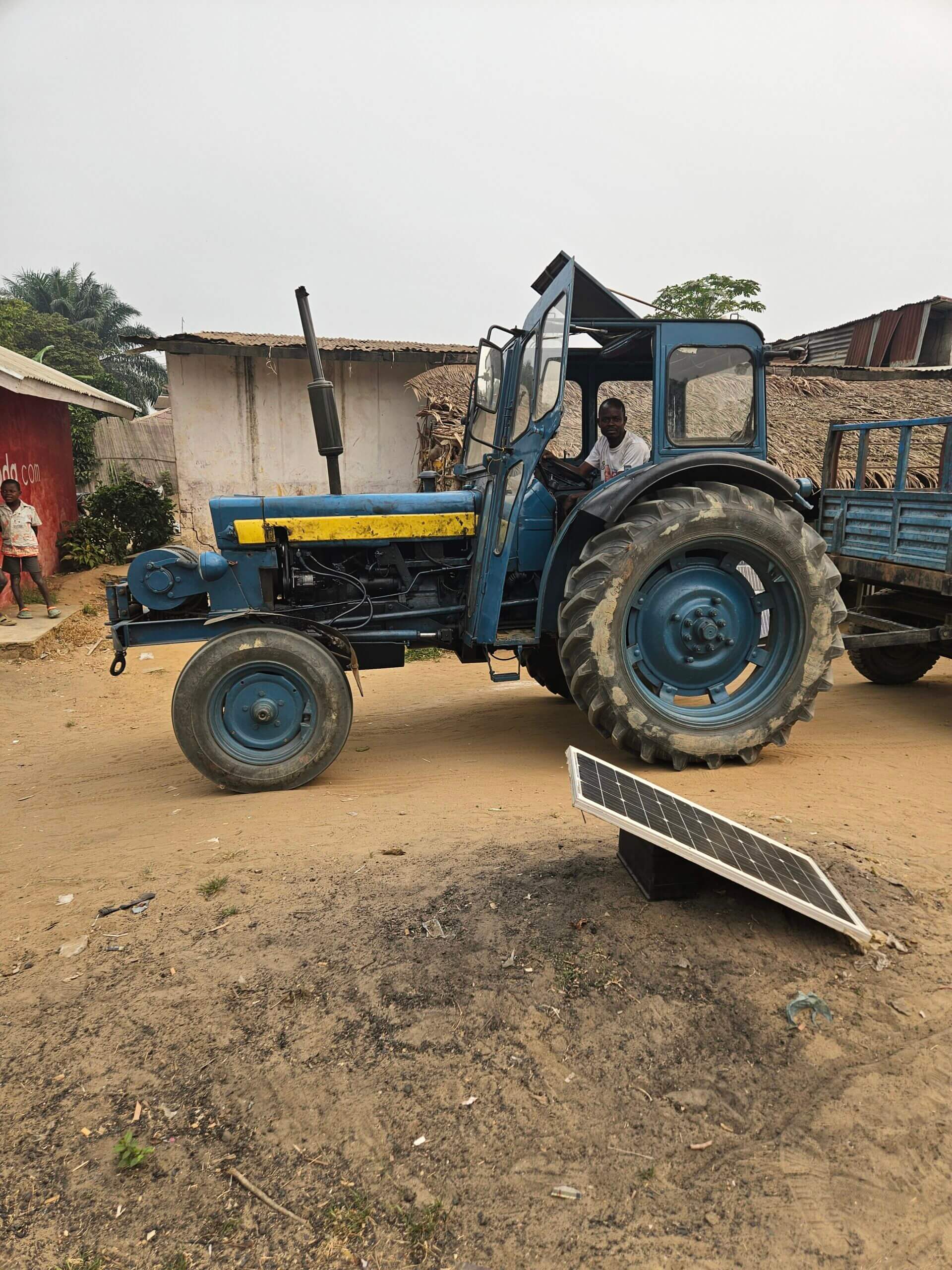
In the areas where we operate, major challenges include very poor road infrastructure and inadequate transportation options, which hinder the population’s ability to sell their products. We work with local authorities and the community in order to overcome these obstacles by providing transport vehicles and ensuring that the roads are traversable.
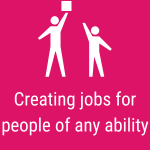
First year goal: 7.84% annual income increase
Our on-site activities include simple tasks that allow almost anyone to participate and earn an income, regardless of their physical ability, amount of income, or level of education.
First year goal: 124,000t CO2e/year
The main purpose of our activities is to protect the existing rainforest from deforestation and to plant new trees in the place of those that were cut down, in order to sequester more carbon dioxide.
First year goal: 15% reduction of deforestation
One of our main goals is to protect the existing rainforest and the inhabiting wildlife. We plant many different tree species and crops in order to ensure biodiversity.
First year goal: 5 villages and 8,000 hectares with legal documentation of land
Our efforts begin with providing the local population with legal support to establish rightful ownership of their lands. This process helps prevent future conflicts and ensures they receive documents that protect them from potential land claims. Additionally, our inclusive community meetings foster more democratic and participatory societies.

First year goal: Preparing for one global partnership and the introduction of one environmentally sound technology
We provide the populations with access to high-quality, environmentally friendly technologies. Additionally, we facilitate global collaborations between the local communities and various stakeholders, both national and international.
Transparency Timeline:
Follow us step by step
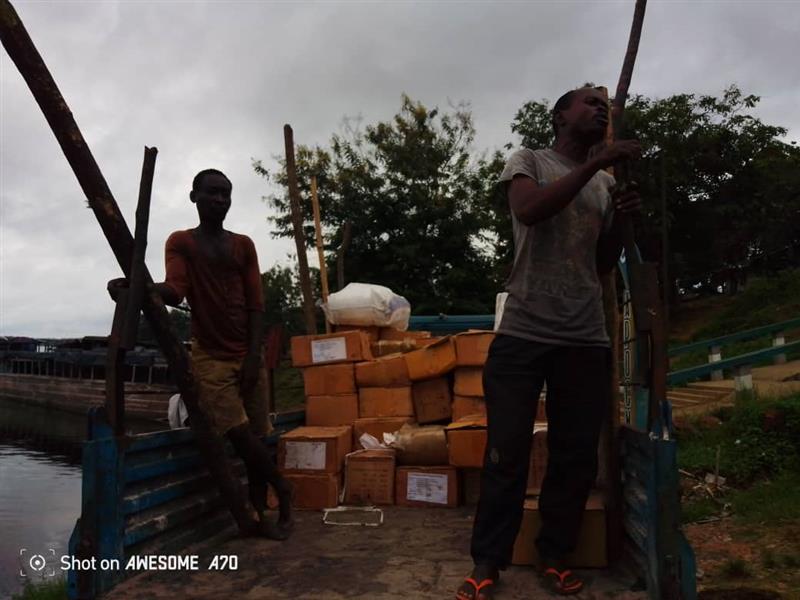
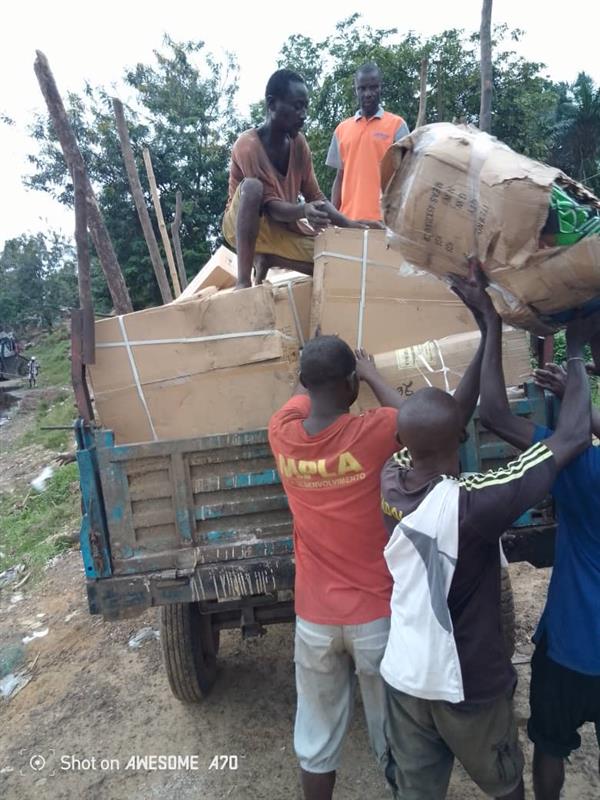
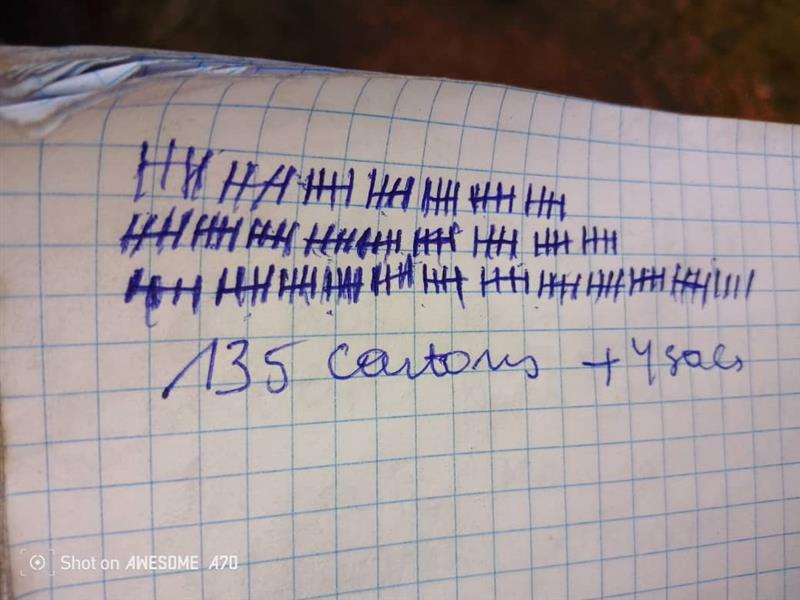
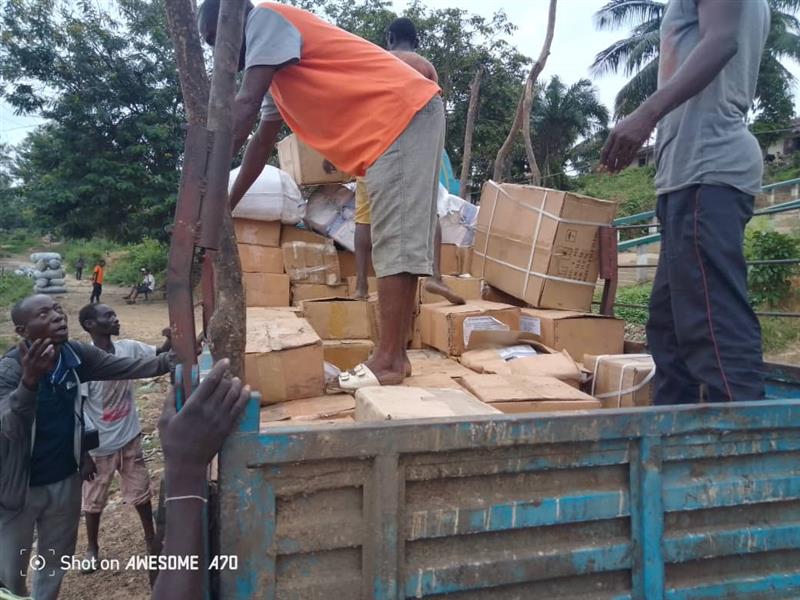
Welcome to our timeline! Here, we constantly document our activities, milestones, and events for all to see; ourselves included! That's what we call transparency.