

What is biodiversity?
Biodiversity is the variety of life found on Earth, including different plants, animals, fungi, and microorganisms. It is essential for the health and stability of ecosystems, providing numerous benefits to the planet and humanity. Aside from animals and species that we know, remember or can recognize, there are hundreds and thousands of other life forms on Earth. Together, they create complex environments and make the continuation of life possible.
Some of the most important and rich biodiversity hubs are found in the rainforests, such as the Amazon and the Congo Basin. In fact, roughly half of the world’s known species can be found in tropical rainforests! Let’s learn more about the current status of Earth’s ecosystems and how we can preserve, protect and improve biodoversity.
How is the world’s biodiversity doing?
Biodiversity has in the last few years gotten more attention than before. Similarly to the Paris Agreement and COP meetings for climate change, biodiversity has its own Kunming-Montreal Global Biodiversity Framework and COP meetings. This is a result of the fact that biodiversity worldwide faces several threats:
- Deforestation: Cutting down rainforests, boreal forests and other forests destroys natural habitats for both plants and animals, endangering species and disrupting ecosystems. Many of these animals need forest cover to hide from predators, move around, and find food. Fewer trees means smaller chances of survival for thousands of wildlife species.
- Climate change: Rising temperatures and changing rainfall patterns threaten wildlife adapted to current environments and temperatures. Polar bears are often used to symbolize this.
- Pollution: In the oceans, plastic waste harms marine life, such as turtles, crabs, and seabirds, which often ingest or become entangled in debris. Sometimes even giant whales can’t escape the numerous kinds of pollution introduced into the ocean. Also microplastics and nanoplastics are severe problems, as they are eaten or inhaled by fish, csausing injuries, illness and suffocation.
These are only a few examples of how not paying enough attention to the future of our planet and the sustainability of human actions.
The importance of biodiversity in the Congo Basin Rainforest
As one of the largest tropical rainforests, the Congo Basin Rainforest is a global biodiversity hotspot, home to numerous species found nowhere else on Earth. It provides several vital ecological benefits such as:
- Climate regulation: The vast forests absorb carbon dioxide, helping mitigate climate warming.
- Water cycle maintenance: The rainforest’s vegetation plays a key role in regulating the regional and global water cycle, and the roots of its giant trees cause the soil to hold more water, enriching it and introducing more vegetation and life to the surrounding areas.
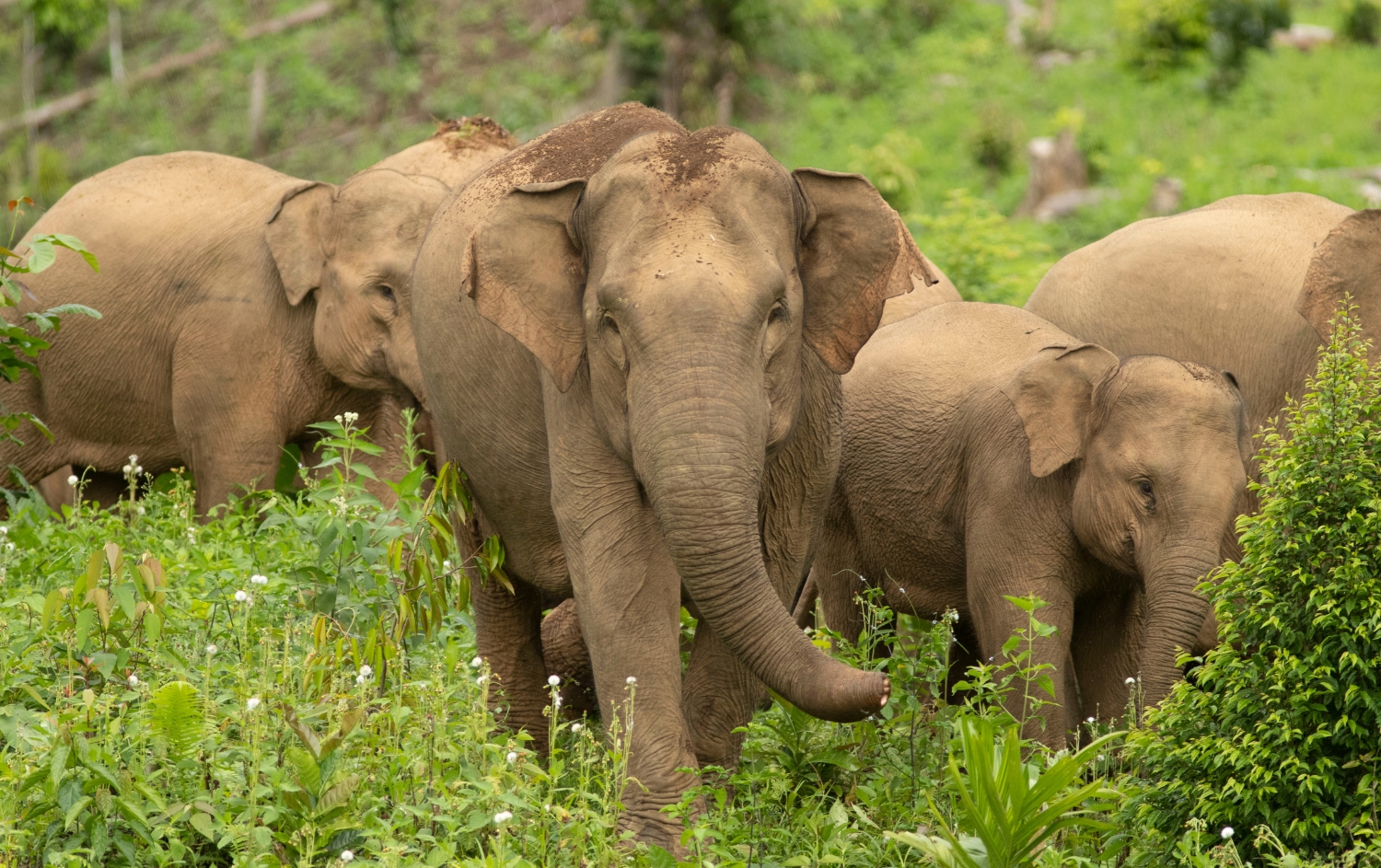
- Species habitat: It offers shelter to animals like gorillas, elephants and deer, and hundreds and thousands of plant species and insects.
- Cultural significance: Indigenous communities rely on the forest for their livelihoods and cultural practices.
What can we do to preserve Earth’s biodiversity?
We can all contribute through adapting our behaviors, choosing better products, spreading correct information, and supporting active climate projects. Here are a few suggestions:
- Sustainable practices: by encouraging and adopting sustainable farming, logging, and fishing methods, we can reduce exploitation of natural reserves and animal life in our immediate environments.
- Eco-friendly products: by choosing products that are sustainably sourced, using few or no chemicals, pesticides and insecticides, and supporting their manufacturers over brands that do not pay as much attention to the environment. Look for well-known certifications such as the EU Ecolabel.
- Support conservation efforts: by participating in or donating to conservation projects and organizations. When choosing the activities and projects to support, we must conduct research and make sure the money are backed up by results. Credible projects and organizations will provide this.
- Raise awareness: by educating others about the importance of biodiversity and its threats. In today’s world of information overload, many online sources spread all kinds of information in order to find relevance. The key is choosing sources that are credible and working towards a positive change. A good tip is to check who has written the text you read and what purpose they might have for doing so, as well as checking any resources they refer to.
How our initiatives aid biodiversity conservation
The Congo basin rainforest is the largest tropical rainforest-type carbon sink in the world after the Amazon. If we take care of our lungs first, it will take care of our body (Earth) in return. At United Eco Solutions, we plant trees and protect the existing rainforest in the Congo Basin to preserve biodiversity. These activities are crucial for several reasons:
- Habitat restoration: Rainforest protection and reforestation create habitats for wildlife, supporting ecological balance. More trees equals more tree cover, more food, better soil and cleaner air.
- Carbon sequestration: We have already in our first year of operations (2024) planted around 100,000 trees of species native to the Congo Basin. These large rainforest trees, their roots and the other biomass in their vicinity absorb vast amounts of carbon dioxide, reducing greenhouse gases in the atmosphere. Without sustainably managing the world’s rainforests, these vital carbon sinks might actually become sources of emissions instead, causing climate change to accelerate.
- Community development: By involving local communities, we promote sustainable practices and improve livelihoods. Introducing agroforestry has made certain that prior unsustainable monoculture is no longer being practiced and the population will not feel the need to cut down trees to expand their farmland. Instead, the land is used in a carefully, scientific evidence-based manner to include both rainforest trees and nutritious crops in the area.
By understanding biodiversity and supporting initiatives like ours that protect and promote it, you as an individual or an organization can ensure a healthier planet for future generations. Together, we can foster a thriving, resilient ecosystem in the Congo Basin and beyond.
Learn more about United Eco Solutions’ activities in the DR Congo by clicking here.
You can also gain a deeper understanding of the effects of our activities on biodiversity on our instagram page.

